

A page dedicated for candidates offered admission to the MHCI+D Class of 2027
CONGRATULATIONS
The Master of Human-Computer Interaction and Design (MHCI+D) program is thrilled to offer you admission to the Class of 2027!
We hope that you will accept this offer – your unique talents, skills, and perspective would be an asset to the incoming cohort. Nonetheless, we also understand that you have a big decision to make. This page is meant to give you a thorough glimpse of life at MHCI+D and information while you decide.
Talk with us!
Meet with Assistant Director of Student Services, Matt Bartels. Schedule a 1:1 Zoom meeting with Matt to discuss your questions. Email Matt at mhcid@uw.edu to book a time.
Meet with Admissions Ambassador and current student, Jiayi Sun. Schedule a 1:1 Zoom meeting with Jiayi to discuss any questions you may have from a student’s perspective. Email Jiayi at jsun0621@uw.edu to book a time.
You will soon receive an invite to a Slack channel with current students. This will be a great forum to casually meet with each other and current students. Check out the program’s Instagram and YouTube for a more behind-the-scenes look at our community, and our subreddit to connect with current students and alumni.




Pre-decision EVENTS
Webinars
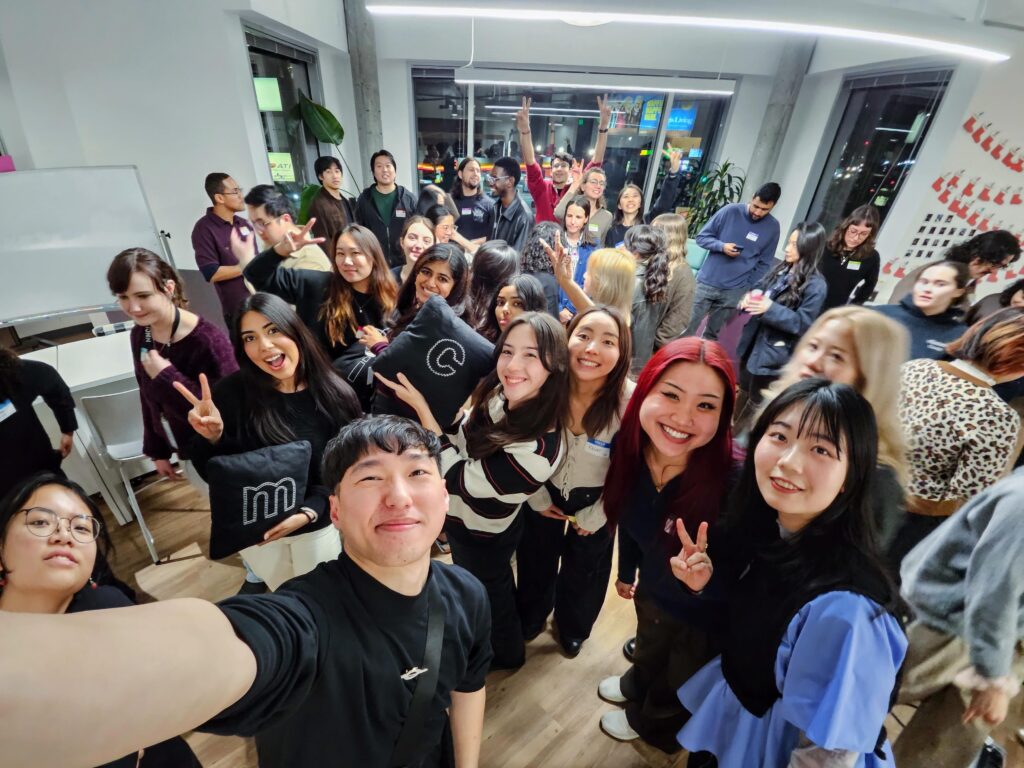
We offer(ed) a number of online sessions (most recorded) to talk with current students, faculty and staff, to learn everything you can about our program and UW. Can’t make some of these? We understand the different time zones, work and other commitments may make it difficult to attend all sessions.
Check back after each session, and we’ll post the recording link. A schedule and list of recordings of sessions are included below:
March 19 (Thursday) at 4:00 PM (Pacific Daylight Time)
Overview & Academics of MHCI+D
Join Student Services Director, Matt Bartels and select faculty as we discuss the
program, the courses and the year to come. RECORDING
March 24 (Tuesday) at 4:00 PM (Pacific Daylight Time)
Career Development & Outcomes
Join the student services team as they discuss the career development programming one can expect next year with an overview of career outcomes we’ve seen post-graduation. RECORDING
April 2 (Thursday) at 4:00 PM (Pacific Daylight Time)
Open Forum with Current Students
Admissions Ambassador, Jiayi Sun and other students discuss their first-hand
experience and tips on what to expect. RECORDING
April 7 (Tuesday) at 4:00 PM (Pacific Daylight Time)
Sit in on Research Studio
with Instructors John Zoshak and Ryan Adams.
Virtually experience a class session. RECORDING
how to Accept the offer
Accepting the offer is a two-step process:
- Pay the non-refundable $500 deposit, which will be applied to your Fall Quarter tuition. Once you have paid the deposit, you be part of the Class of 2027. Congratulations!
- Notify us that you accept the offer by changing your status in the application system. This will trigger a notification to you with your UW student ID number and with information on how to pay the non-refundable $500 deposit.
Please be aware that wire transfers or other financial transactions may take time to process. To secure your spot in the cohort your $500 deposit must be RECEIVED by the decision deadline. After the deadline date any open spots will be offered to our waitlist candidates. Contact us immediately if you anticipate any delays in completing the deposit.
Should you decide to decline the offer, please notify us as soon as possible by changing your status in the application system.
Additional information for international students. For details about visas and other information see the following UW Grad School page.
The student experience
New MHCI+D studio: Last August, we moved three blocks away to our brand new home at 45th Street Plaza. Take a look!
The Student Experience: Former students describe what it’s like in the MHCI+D program and what their fellow students bring to the experience.
If you are deciding between multiple UW programs, check out this video and below chart to see comprehensive differences between adjacent programs.
The curriculum
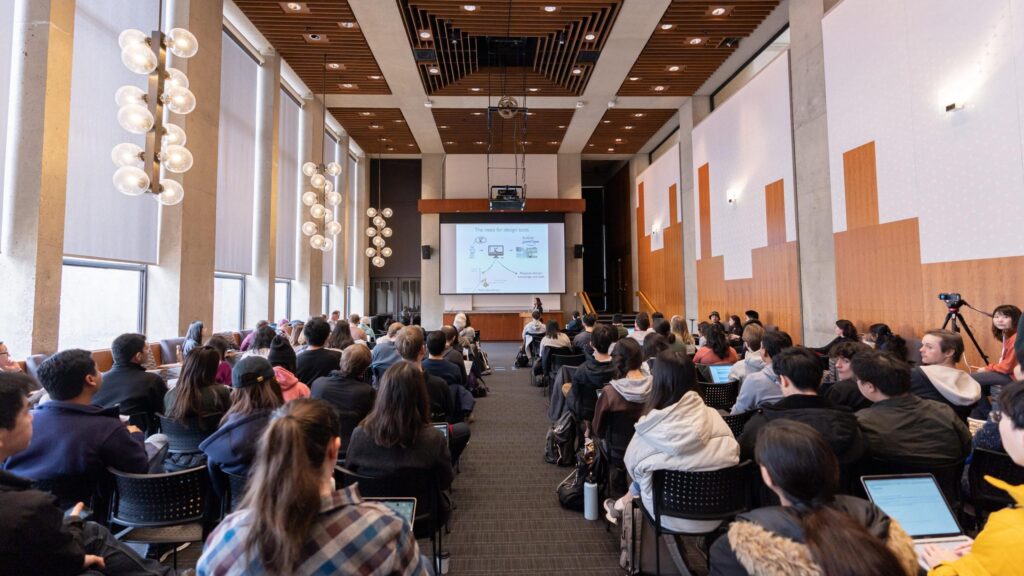
The following section will give you a snapshot of MHCI+D academia. For a more in depth look, view our curriculum page.
Immersion Studio
In the first week of the program, students complete a one week “Immersion Studio.” Each year’s challenge is different; it will orient new MHCI+D students to core ideas and terminology in HCI and design and provide some key skills that will be instrumental in success in a studio learning environment.
Ideation Studio
In fall quarter, Ideation Studio has student teams respond to a challenge related to changing human behavior through technology.
Prototyping Studio
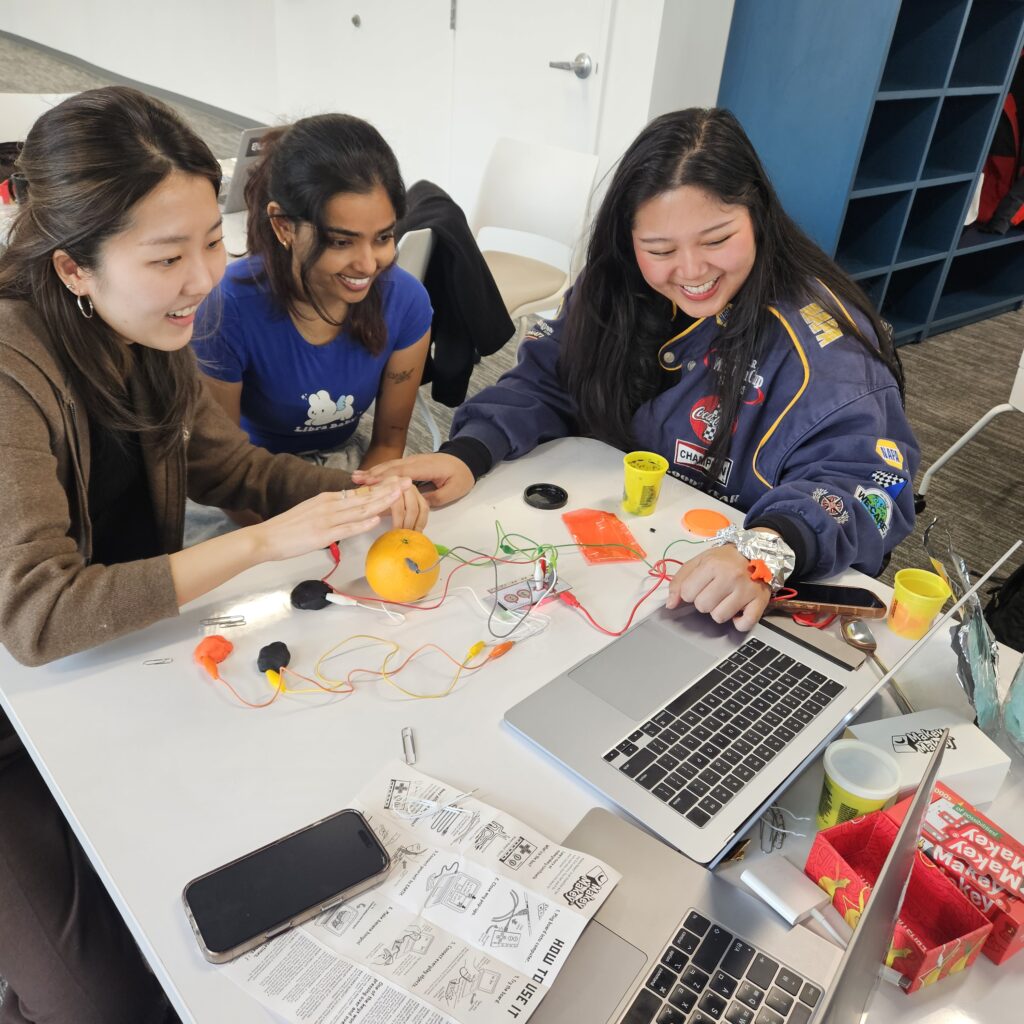
In winter quarter, Prototyping Studio allows students to explore physical computing, hardware and software integration, and alternative input and output modalities. Professors Jon Froelich and Andy Davidson describe the process in this video.
Capstone Studio
Capstone projects are the culmination of the program (not the starting point). Teams typically consist of three or four students, and an industry advisor provides guidance and advice. Capstone projects span three quarters and challenge you to design a solution to a real-world problem using all the skills you have developed.
Past Capstones
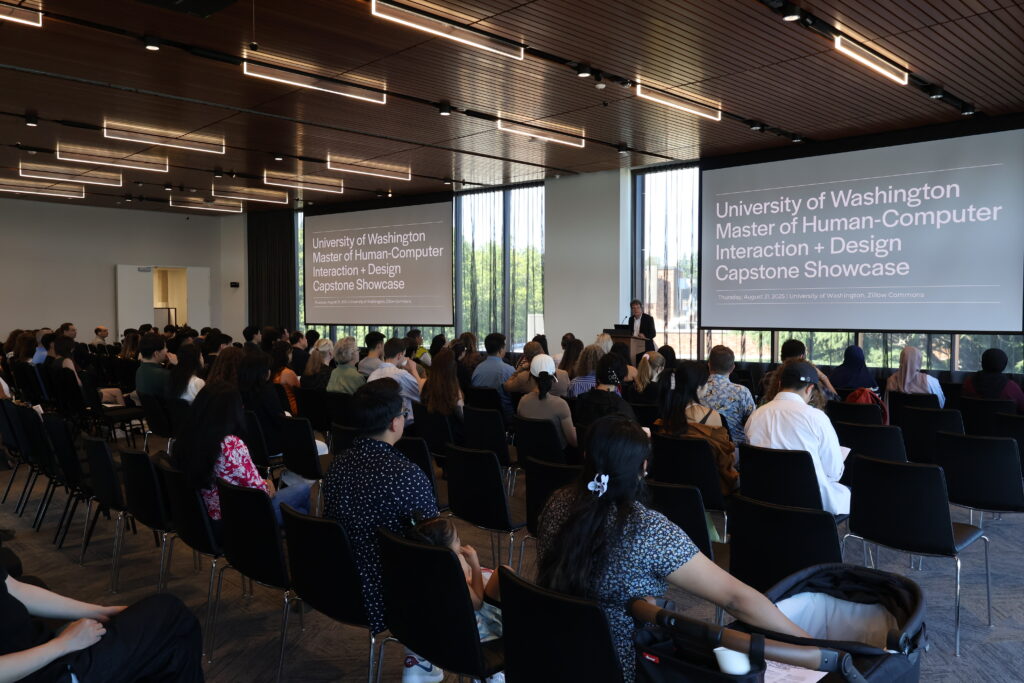
Each year, students work with industry leaders to design solutions for real-world problems. Check out projects from past cohorts.
The Faculty
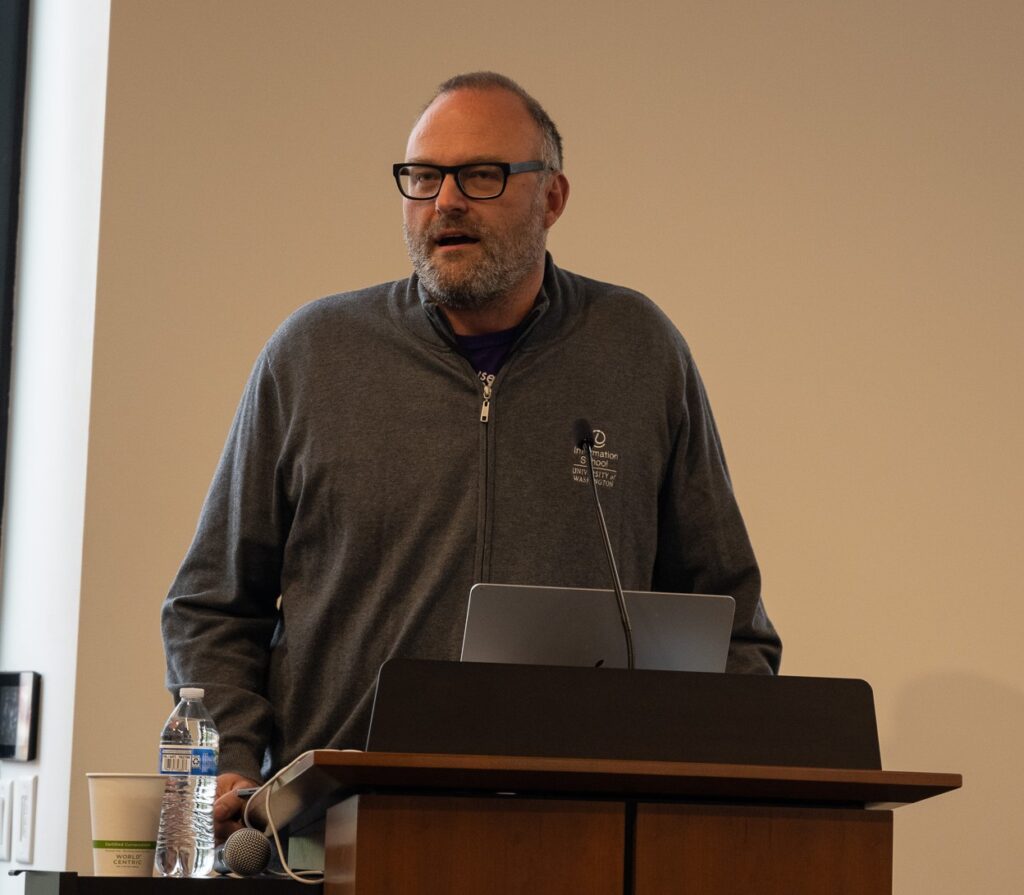
Hailing from multiple concentrations throughout the four departments that make up MHCI+D, our faculty are steadfast in enabling, yet challenging the MCHI+D student body in getting the most out of their graduate school experience.
Faculty Talks
Watch and read recent talks and blogs by faculty involved with the program:
Jacob Wobbrock, MHCI+D Interim Director, The Information School.
Jake Wobbrock, now in his second year serving as director, has contributed to the HCI+D space as both an entrepreneur and professor with a passion for mobile and accessible computing. Learn more about Jake [link].
Jon Froehlich, Computer Science & Engineering, instructor for “Prototyping Studio” core class, and co-chair of the MHCI+D Faculty Committee.
A UW article profiled Project Sidewalk, the accessibility project he has been leading through his lab, the Makeability Lab [link]. A Spring, 2023 CHI Paper Jon CoAuthored: Codesigning Videoconferencing Tools for Small Groups with mixed hearing status. [link]
Faculty Shorts on Selected Electives
Axel Roesler, Division of Design, School of Art, Art History + Design.
Foundations of Interaction Design elective [link]
Advanced Interaction Design elective [link]
Daniela Rosner, Human-Centered Design and Engineering.
Visual Communication elective [link]
Gregg Gottesman, Computer Science & Engineering.
Entrepreneurship elective [link]
Jacob Wobbrock, The Information School.
Designing Information Experiences elective [link]
Jeff Heer, Computer Science & Engineering.
Data Visualization elective [link]
career
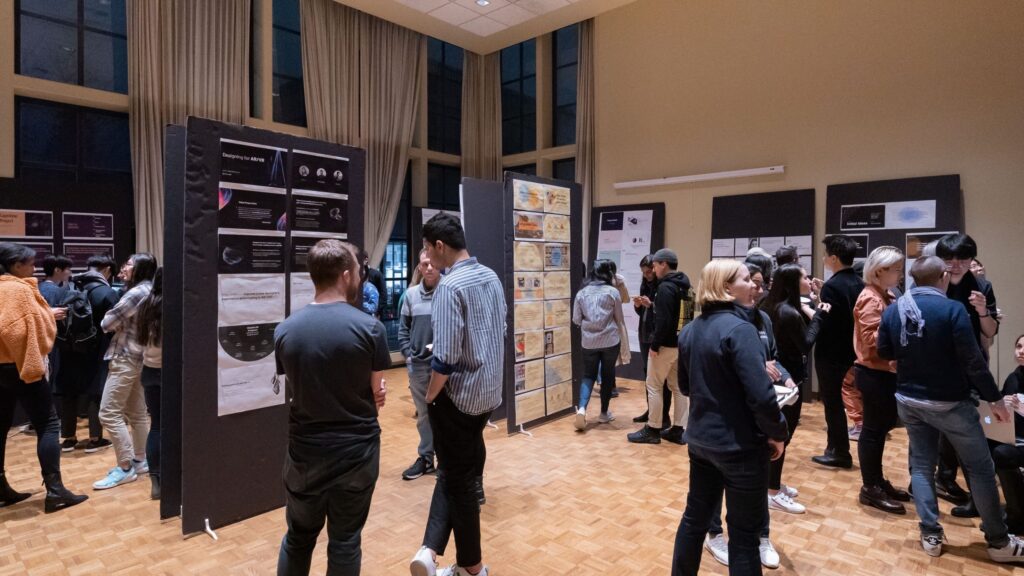
MHCI+D graduates are in demand. You can expect to leave the program ready to find meaningful and rewarding work.
Be sure to join the Career Overview webinar on March 24 for details. We’ll be diving deep on all the career development programming you can expect while a student (or alum!). We’ll also talk about career outcomes from recent years and discuss where our alumni have been finding work recently. In the meantime, refer to the following pages on our site:
MHCI+D also boasts a robust alumni mentorship program, where you will be paired with up to three alum mentors as you navigate through the program. They can share with you tips about the program, career advice, and anything else you might need the upcoming year.
costs and finances

Financial Aid: The MHCI+D program is an intensive, full-time commitment and is not designed to be compatible with concurrent employment. As a fee-based program, state funding is not available. Most students finance their education through loans, personal savings, or support from loved ones.
GSEE Supplemental Finance Awards: Through UW’s GSEE program, eligible students can apply for a Graduate Supplemental Award — a funding source that some of our students have successfully utilized. If interested in applying, contact us immediately at mhcid@uw.edu to get started on the award application process.
Working during the Program: You should not plan to have enough time to work full-time while in this program. A few students are able to hold down positions generally asking for 8-10 hours / week, but that is about the maximum you might manage. Some students have started the year with part-time consulting or freelance work, but most have found this is too taxing and distracting and have let these go mid-year. Each year we hire 3-4 students to assist with social media, website design,videography and other tasks. A few students are able to arrange paid work with one of the UW’s research projects. This is usually arranged part way through the year and after talking with the professor/research lead. Finally, a few other students have taken other light work-study positions, but these are generally less than 10 hours per week.
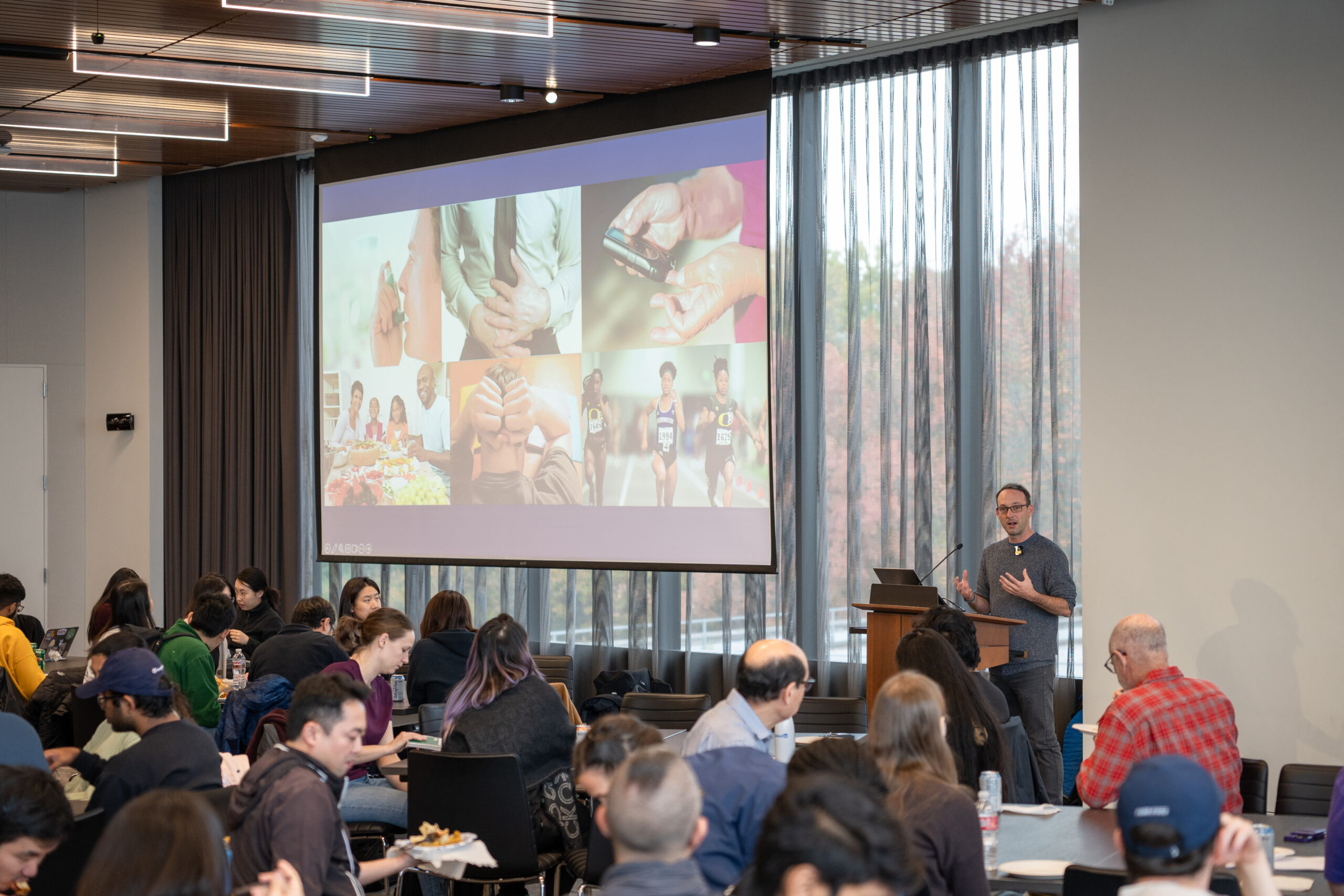
The UW Library provides a clearinghouse of funding opportunities for graduate students, the Graduate Funding Information Service, for opportunities that may arise throughout the year. Be sure to read qualification limitations carefully to see if any opportunity applies to fee-based [not state-sponsored] programs.
Additional Expenses: We work hard to keep your expenses down throughout the year. We provide refreshments in the studio, a high-quality printer/copier/scanner (although occasionally you may need to print elsewhere to meet a deadline), all in-class and prototyping materials for core classes, access to the studio makerspace, 3-D printers, and large-screen monitors. Each quarter, your team will have a budget for relevant purchases, such as gratuities for research participants or specialized materials for your capstone project. What we don’t provide are materials or gratuities for your elective courses, meals, housing, dog sitting, etc.
Life at UW and Seattle
UW Community
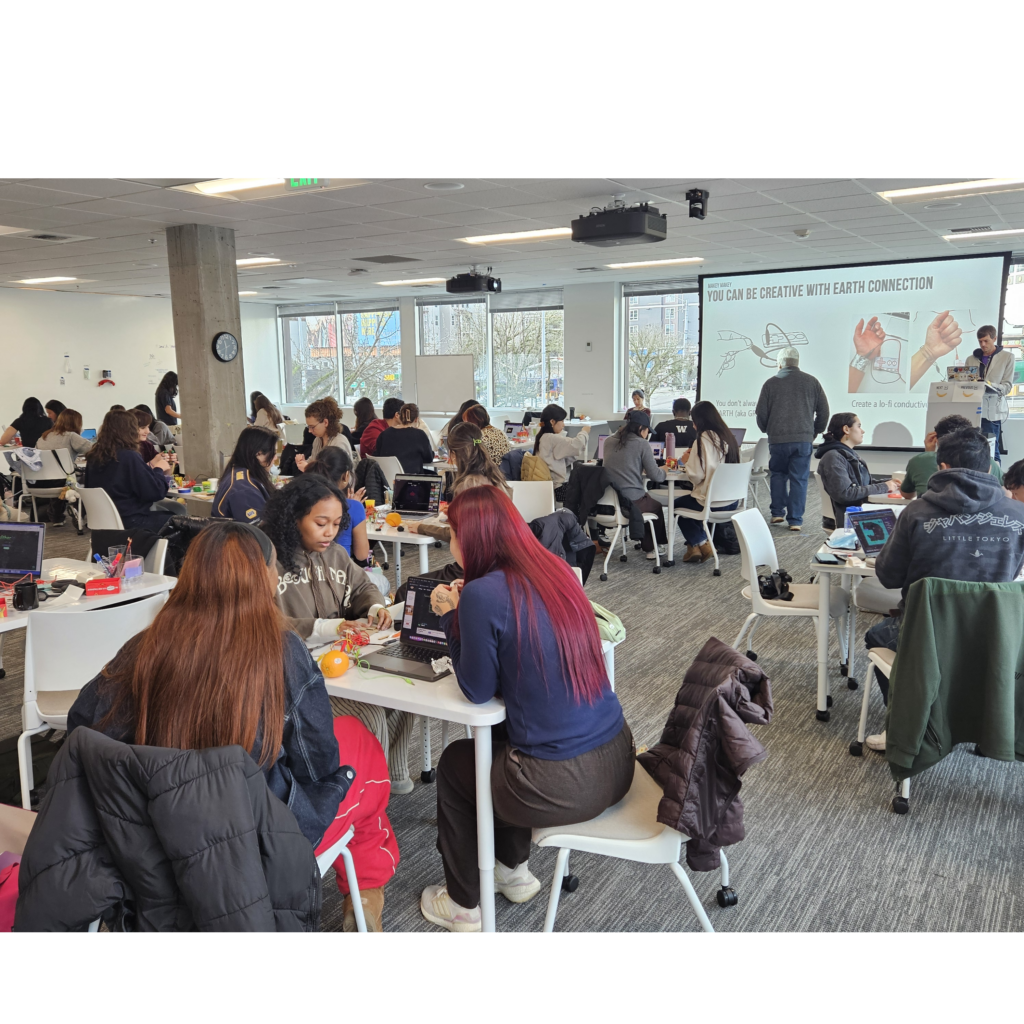
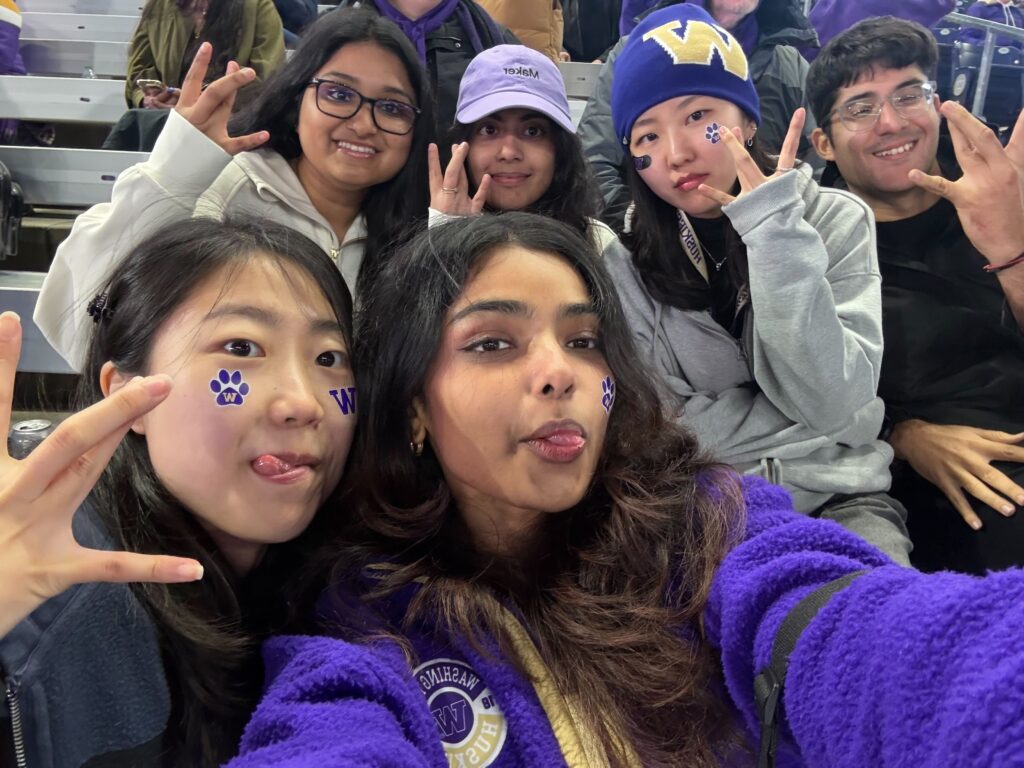
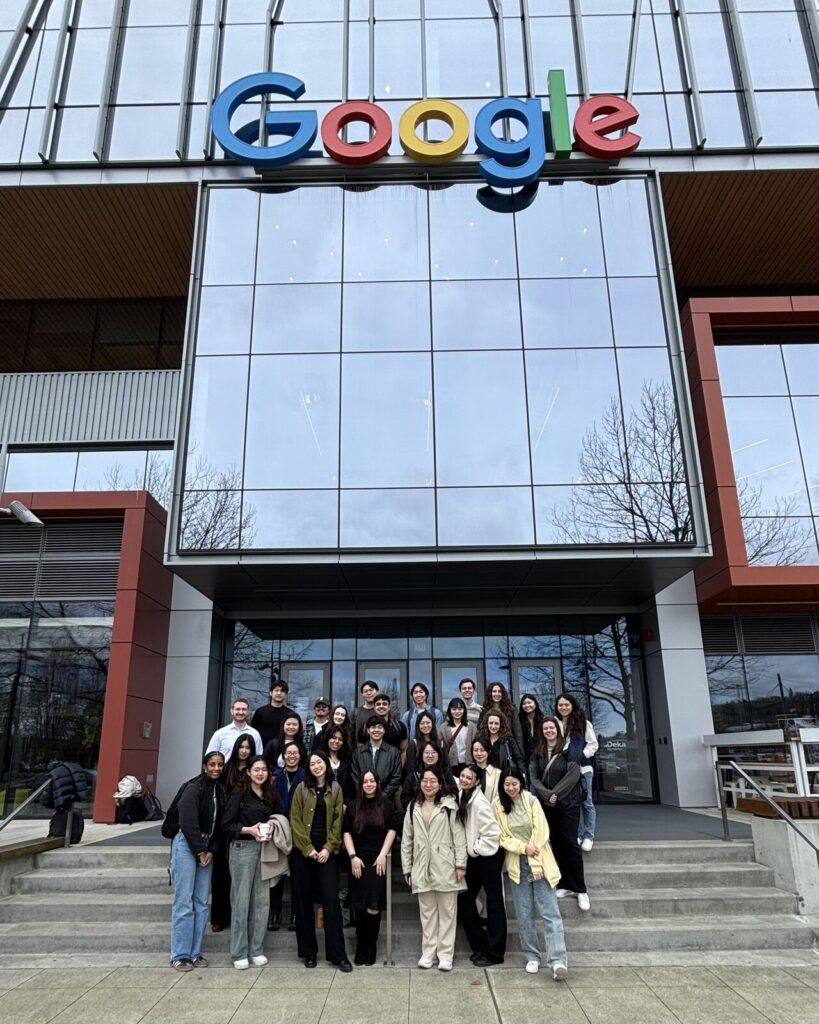
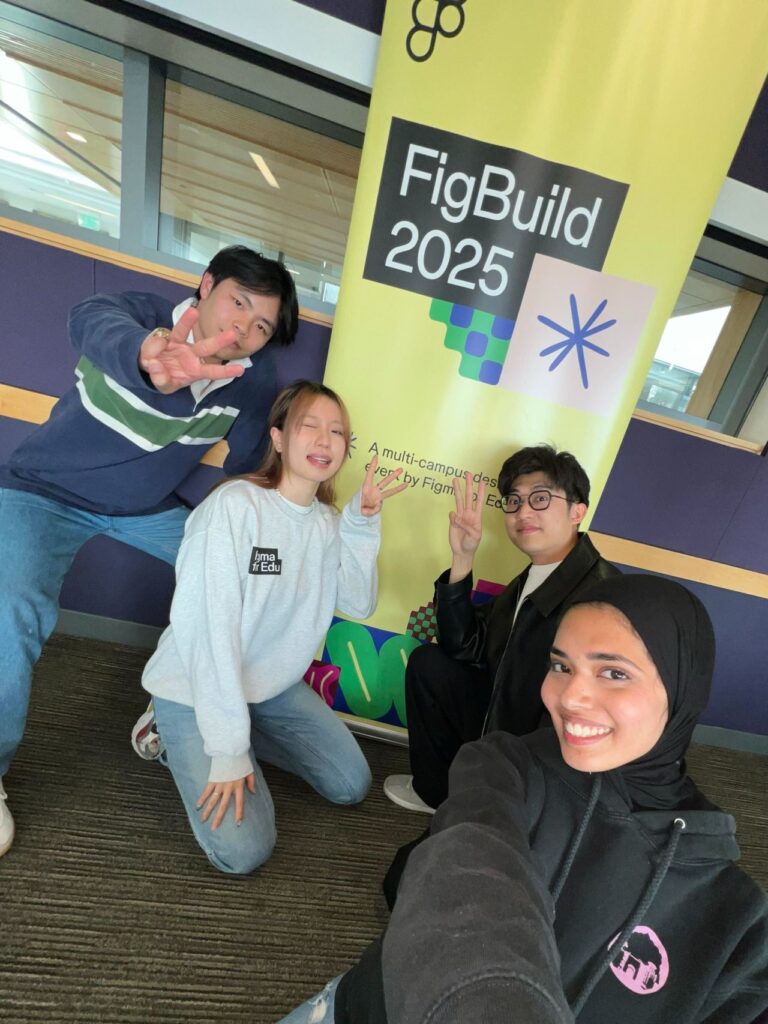
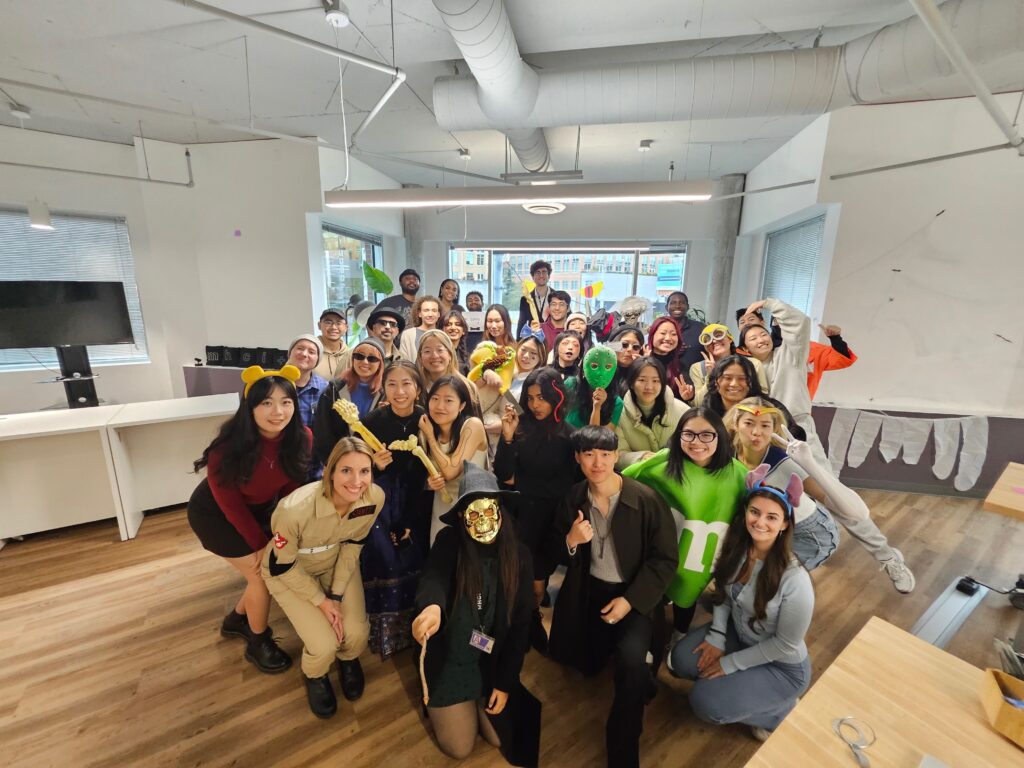
The MHCI+D student community is strong and integrated. We host events and support each other socially throughout the year.
Where to Live
Each neighborhood in the the Emerald City holds a distinctive charm. In the videos below, members of the Class of 2022 advocate for their home base.
University of Washington housing around campus
The University District
The University Village
Eastlake
Capitol Hill
Roosevelt
Where to Eat
Join the Class of 2024 as they share some of their favorite places to eat around the studio and campus.

Resources in UW and Seattle
- DUB: Bringing together the broader UW HCI community of faculty and students, “DUB” or “Design Use Build” is the MHCI+D program’s founding organization. DUB holds weekly seminars, an annual retreat, and a chance to network with others from a wide range of disciplines, programs, and departments.
- UW Career & Internship Center: The campus-wide career center offers workshops, industry and employer information sessions and other events nearly daily. They also organize career fairs throughout the year that offer a chance to connect with hundreds of employers.
- Seattle HCI community: Beyond campus, Seattle has a vibrant HCI scene, with hundreds of professionals working in the field at local companies. UX meetups, hackathons and conferences offer students frequent opportunities to get to know their future colleagues.
A few of the more active organizations include: